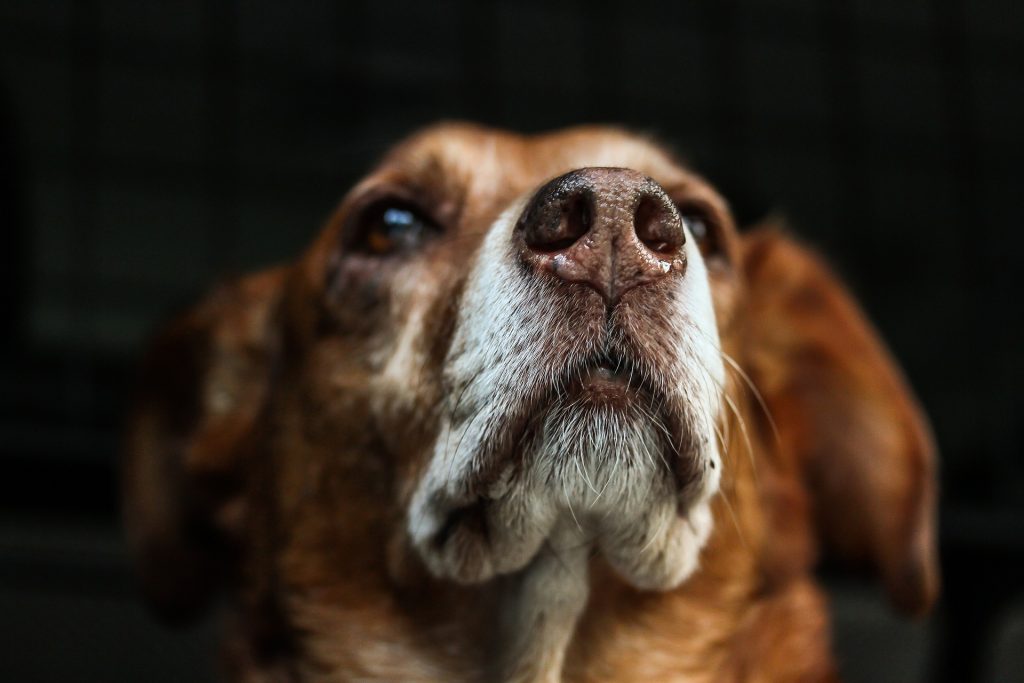
By: Dr. Al Townshend The nose is an often-underappreciated organ. Tumors of the nose in dogs make up about 1-2% of all cancers and are even less common in cats. Approximately 80% of the time they are malignant. Signs that there may be a problem include: Read the full blog here

Author: admin99
Osteosarcoma
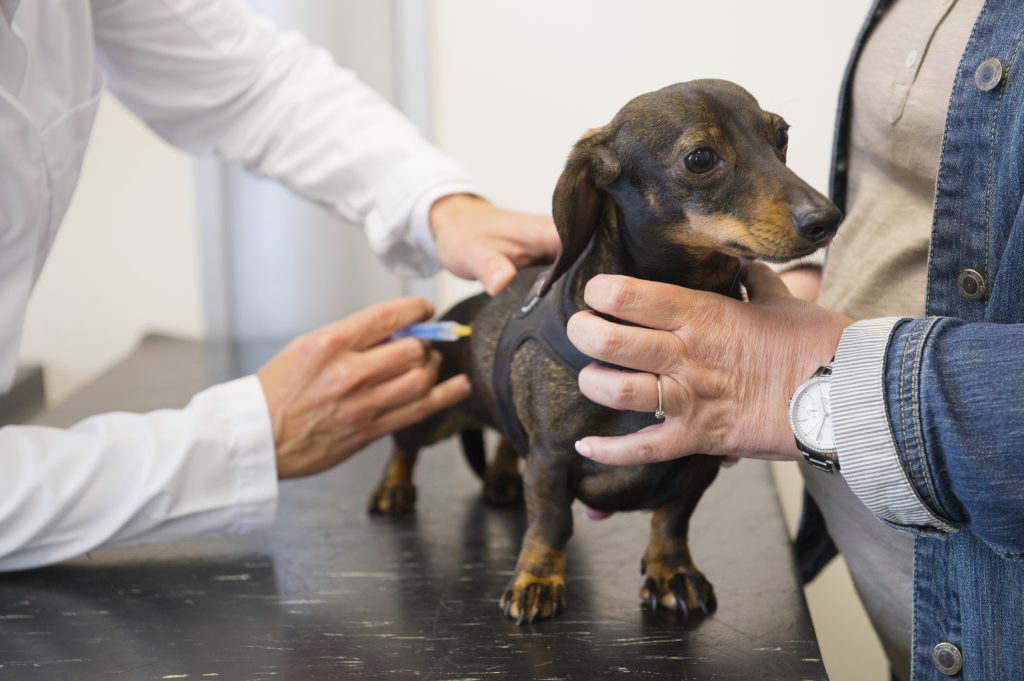
Canine bone cancer Osteosarcoma is an aggressive type of bone cancer. In 90% of dogs, by the time a diagnosis occurs the cancer has spread most often to the lungs and/or other bones. Learn about: Dr. Al Townshend shares all of this information in his latest blog here Kali’s Wish Cancer Foundation is here to help support… Continue reading Osteosarcoma
Canine Prostate Cancer
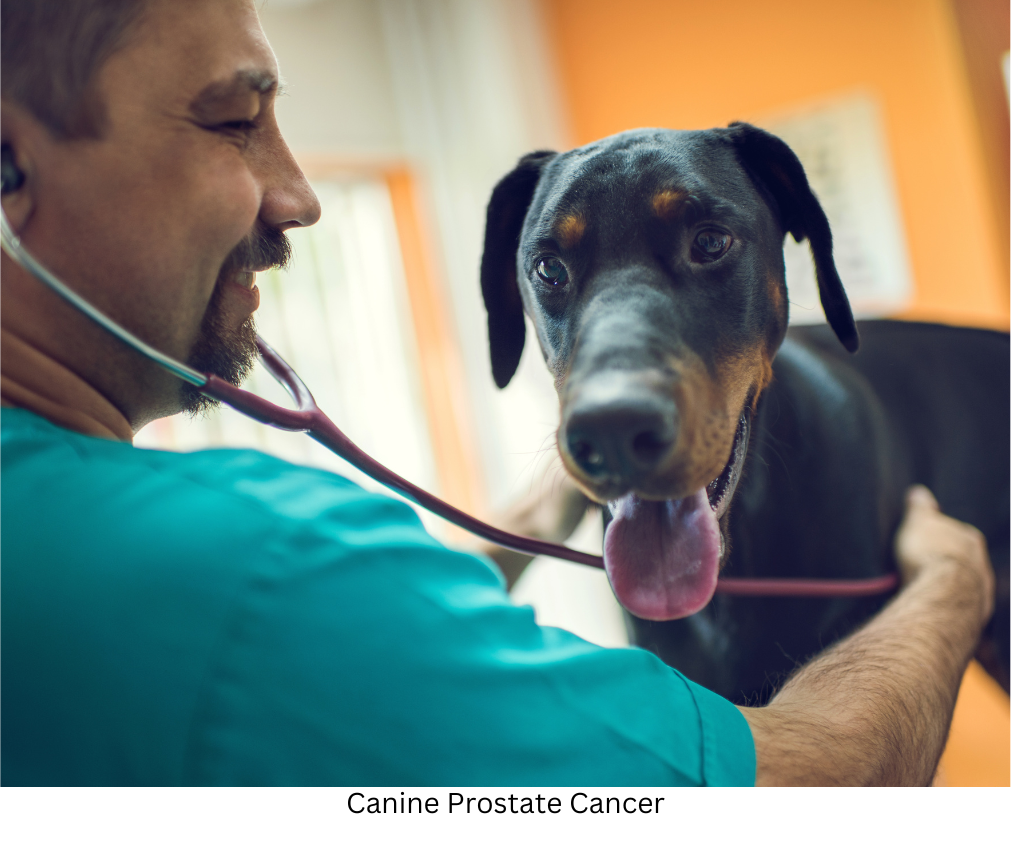
By: Dr. Al Townshend Unlike prostate cancer in human males, canine prostate cancer is a very uncommon condition. It has been estimated that it comprises only about 0.6% of all cancers found in dogs. Also, unlike human prostate cancer, the canine form is highly malignant and has often spread to organs like the lungs, bones… Continue reading Canine Prostate Cancer
Mammary Tumors & Spaying Your Dog

We recently had a Kali’s Wish reader reach out and ask about the link between mammary tumors and spaying your dog. The fact is, tumors in the mammary gland are very frequent in female dogs who have not been spayed. It is also not unheard of for male dogs to have a mammary tumor, though… Continue reading Mammary Tumors & Spaying Your Dog
Transitional Cell Carcinoma

What is transitional cell carcinoma? Lining the urinary bladder are cells called transitional cells that protect the body from the urine inside the bladder even as the bladder stretches to accommodate larger volumes of urine. Transitional Cell Carcinoma (TCC) is a malignant tumour that develops from the transitional cell lining of the bladder. Bladder cancer… Continue reading Transitional Cell Carcinoma
Soft Tissue Sarcomas

What are soft tissue sarcomas? In general terms, soft tissue sarcomas refer to a group of tumours that most often form from the skin and subcutaneous (layer of tissue directly under the skin) tissue. Soft tissue sarcomas are grouped together because they behave in a similar manner. They are named depending on the tumour location:… Continue reading Soft Tissue Sarcomas
Squamous Cell Carcinoma

Squamous cell carcinoma is a type of skin cancer that originates in squamous epithelial cells that are present in the outer layer of the skin and in the lining of body cavities such as the mouth and throat. This type of cancer is more often seen in elderly dogs and those spending a lot of… Continue reading Squamous Cell Carcinoma
Melanoma

What is melanoma? Melanoma is a benign or malignant tumour made up of melanocytes, which are pigment-producing cells. Melanoma is more common in male dogs and those with dark pigmented skin. Some breeds including Scottish Terriers, Black Labrador Retrievers, Cocker Spaniels, Gordon and Irish Setters, Chow Chows, Doberman Pinschers and Golden Retrievers seem to be… Continue reading Melanoma
Mast Cell Tumour

What is a mast cell tumour? Mast cell tumours are common in dogs, accounting for about one skin tumour in every five. Although this form of cancer can affect dogs of any age, it usually appears in middle-aged and senior dogs. Mast cells are specialized blood cells found in all tissues of the body, with… Continue reading Mast Cell Tumour
Mammary Cancer
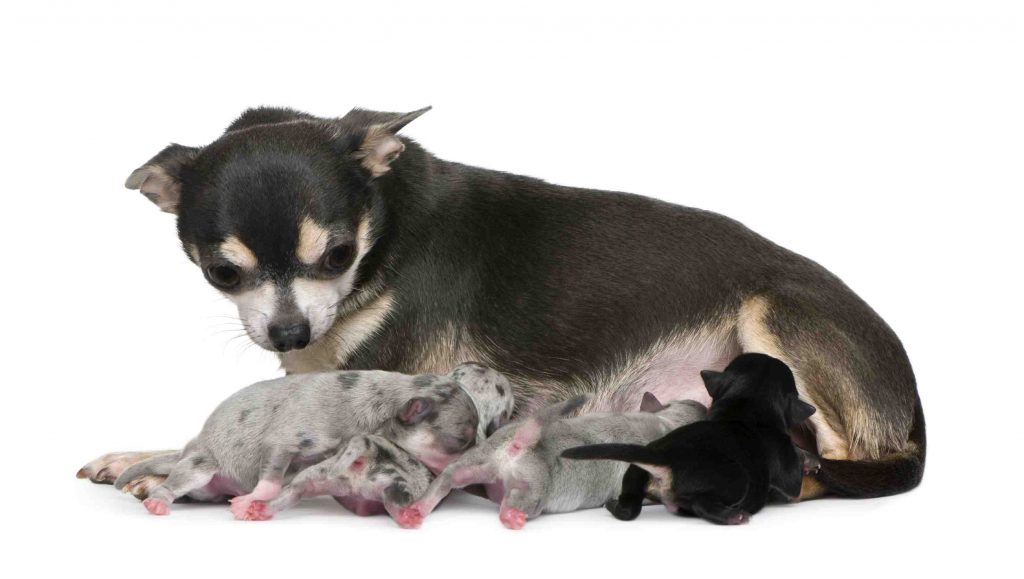
What is mammary cancer? Mammary (breast) tumours are the most common type of tumour diagnosed in unspayed female dogs over the age of seven. Statistics reveal that one in four unspayed female dogs are affected with mammary cancer, which is much higher than the incidence of breast cancer in women, at about one in eight.… Continue reading Mammary Cancer