
As we kick off the new year, it’s the perfect time to focus on one of the most important aspects of pet health: cancer awareness. Cancer is a leading cause of death in older dogs and cats, affecting approximately 1 in 4 dogs over their lifetime (rising to nearly 1 in 2 for dogs aged 10 and older) and about 1 in 5 cats. While these statistics can feel overwhelming, knowledge is power—early detection and awareness can truly save lives.
At Kali’s Wish Cancer Foundation, our mission is to educate and support pet parents through every stage of pet cancer. We’re dedicated to providing resources, emotional support, and community connections so no one faces this journey alone.
What Causes Cancer in Pets?
The exact cause of most cancers in dogs and cats remains unknown, but several risk factors contribute:
- Age: Cancer is primarily a disease of older pets, with risk increasing significantly after age 7–10.
- Breed predispositions: Certain breeds are more prone, such as Golden Retrievers, Boxers, Bernese Mountain Dogs (higher risk for lymphoma or hemangiosarcoma), and Rottweilers (bone cancer).
- Genetics and environment: Exposure to toxins like secondhand smoke, pesticides, or excessive sunlight can play a role.
- Reproductive status: Unspayed females have a much higher risk of mammary tumors—spaying before the first heat cycle can reduce this risk dramatically.
Prevention isn’t always possible, but actions like early spaying/neutering, avoiding environmental toxins, and maintaining a healthy lifestyle can help lower risks.
Common Types of Cancer in Pets
Cancer can affect any part of the body, but some types are more frequent:
In Dogs:
- Lymphoma (lymph nodes and lymphatic system)
- Mast cell tumors (skin)
- Osteosarcoma (bone, often in large breeds)
- Hemangiosarcoma (spleen or heart)
- Mammary tumors
In Cats:
- Lymphoma
- Squamous cell carcinoma (skin/mouth)
- Mammary tumors
- Fibrosarcoma
Early Detection: The Key to Saving Lives
Pets are masters at hiding pain, so cancer often goes unnoticed until advanced stages. Early detection dramatically improves outcomes—many cancers are treatable or even curable if caught soon enough.
Warning signs to watch for (consult your vet immediately if you notice any):
- Abnormal lumps or bumps that grow or don’t heal
- Unexplained weight loss or loss of appetite
- Persistent sores or wounds
- Difficulty breathing, urinating, or defecating
- Lethargy or decreased energy
- Swollen lymph nodes (feel under the jaw, in front of shoulders, or behind knees)
- Unusual odors, bleeding, or discharge
What you can do at home:
- Perform monthly at-home exams: Feel for lumps, check gums/oral cavity, and monitor behavior.
- Schedule regular vet checkups: Twice yearly for seniors, including bloodwork and imaging if recommended.
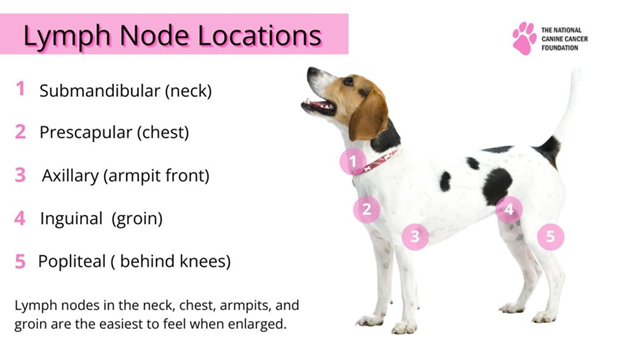
Where Are Lymph Nodes In Dogs And How Do You Check Them? | The …
Your veterinarian may recommend screening tools like blood tests, ultrasounds, or X-rays for high-risk pets.
How Kali’s Wish Supports You
Education is just the beginning. Through our Buddy Connect program, we pair pet parents facing a cancer diagnosis with experienced “buddies”—fellow guardians who’ve been through pet cancer and can offer empathetic, practical support. Whether you need someone to listen, share treatment insights, or simply understand your emotions, Buddy Connect provides that vital human (and pet-loving) connection.
We’re here for free resources, care packages, and expert advice to help you navigate this challenging time.
This January, commit to your pet’s health: Schedule that checkup, learn the signs, and know you’re not alone. Awareness today can mean more joyful tomorrows with your furry family member. 🐾❤️
For more information on our Health Hub click HERE